
Strengthening the Nigerian Passport: Policy Options for Mobility, Security, Diaspora Engagement and Economic Competitiveness.
By Babatunde Christian Denton
Overview
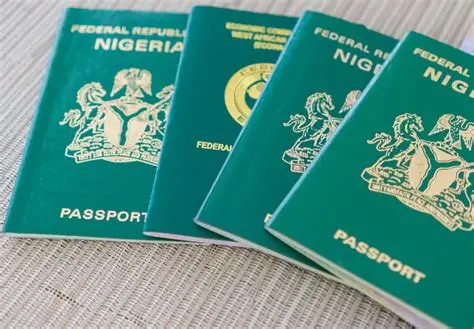
Over the past 20 years, the Nigerian passport has been in a state of decline. It has been consistently ranked as one of the lowest ranked passports in the world. As of July 2026, Henley Passport Index has classified the Nigerian passport 90th out of 184 passports in the world. This is in fact, a slight improvement over its ranking in the past three years but a far cry to its 2006 ranking at 62 by the same organization.
Nigerians have visa-free access to only 44 countries across the world and most of those visa-free countries are in only Africa and out of the 44 countries, Nigerians can visit 22 countries without a traditional visa appointment. An unfortunate consequence of this is that Nigerians need to apply for transit visas in order to travel to third countries via transit. This can be a very frustrating experience for many Nigerian travelers, especially business travelers, who need to travel to and arrive at multiple destinations timely.
Furthermore, many Nigerian passport-holders have been subjected to inhumane treatment by immigration officials across the globe due to the low standing of the Nigerian passport and the nefarious activities of a few Nigerians. Until recently, Nigerians were banned from traveling to the United Arab Emirates (UAE) due to the criminal actions of a few Nigerians living in UAE and presently, UAE has severe visa restrictions on categories of Nigerians.
Nigerian passport-holders have one of the highest visa application rejection rates in the world for multiple-entry visas such as American, Canadian, Schengen, Brazilian visas etc. For example, Nigerian visa rejections for Schengen visas rose by 9.95% in 2023, totaling 42, 940 rejections compared to 39, 189 in 2022. Most embassies in Nigeria appear to be nothing more than business centers as they charge significant amounts of money for visa fees only to reject applicants after receiving their money. As of 3rd August 2026, the U.S. government initiated a permanent visa bond program requiring business and tourist visa applicants from Nigeria to deposit up to $20, 000 to ensure departure. It is still not clear how the deposit will be retrieved upon timely departure from the US.
This article shall explore ways in which the Federal Government of Nigeria can restore the value of the Nigerian passport and as a result, make international travel easier for Nigerian-passport holders.
Improving the strength of the Nigerian passport would require a multi faceted approach by the Federal Government of Nigeria including domestic reforms, diplomatic efforts, and global economic strategies. Here are some key ways to enhance it’s strength:
- Strengthen Bilateral and Multilateral Relations with Key Trading Partners
- Diplomatic Engagements: The Nigerian Government should actively engage in more bilateral agreements with countries in order to secure visa-free or visa-on-arrival access for its citizens. This method requires fostering strong diplomatic ties with multiple countries and showcasing mutual benefits to such countries such as trade and tourism. For example, the U.S. government has reversed its visa restriction on Ghana and reinstated its 5- year entry visa policy for Ghanian nationals as a result of continuous engagement with the Ghanian government.
- Furthering ties with main trading partners: Nigeria should prioritize bilateral relations with countries that have strong trade, education, or migration ties with Nigeria such as the UK, China, Brazil , Germany etc.
- Active Participation in International Bodies: Nigeria should leverage it’s membership and role in organizations like the African Union (AU), Economic Community of West African States (ECOWAS) and the United Nations (UN) in order to negotiate better travel access for Nigerian citizens.
- Economic Growth and Stability in Nigeria
- Boosting Economic Performance: A robust economy is key to improving the global perception of Nigeria. Moving beyond oil dependency and strengthening other sectors like agriculture, tech, and tourism will help improve Nigeria’s global economic standing. A strong and vibrant Nigerian economy encourages other countries to ease visa restrictions on Nigerians, viewing them as less likely to overstay visas or migrate irregularly.
- Improving Security and Governance in Nigeria
- Address Security Concerns: Enhancing national security, combating terrorism, and addressing organized crime will improve Nigeria’s reputation, which will encourage many countries to relax visa restrictions on Nigerian passport holders. The Nigerian Government should also crack down on passport fraud, trafficking, and multiple identities through stronger enforcement and digital traceability.
- Improve Governance and Rule of Law: Strengthening institutions, reducing corruption, and improving governance will make Nigeria a more reliable partner in International relations, which could lead to relaxed visa requirements.
- Enhancing birth registration, biometric identification, strengthen NIN and BVN registration. The absence of proper biometric identification to trace potential terrorists has been a constant complaint of Nigeria by the US Government.
- The fact that Ghana has extensive biometric and other means of citizen identification has resulted in the US government engaging with Ghana and lifting its visa ban.
- Developing the Tourism Industry in Nigeria
- Promoting Nigeria as a safe, attractive tourist destination would help increase foreign visitors, fostering goodwill and encouraging reciprocal visa agreements.
- Reducing Illegal Migration of Nigerians and Overstaying Visas in Foreign Countries
- Tackling Illegal Migration: Nigeria should implement policies that discourage irregular migration and overstaying visas in foreign countries. This would reduce the negative perception associated with Nigerian travelers. Visa overstay is one publicly announced reason by the USA to reduce visa issuance to Nigerians.
- Raising Public Awareness on Illegal Migration: The Nigerian Ministry of Foreign Affairs and Nigerian consulates abroad should educate Nigerians on the importance of adhering to visa regulations and the consequences of overstaying can help reduce such incidents, improving the country’s reputation.
- Enhancing Global Perception of Nigeria
- The Nigerian Federal Ministry of Art, Culture, Tourism and the Creative Economy should be active in promoting Nigeria’s positive attributes, such as it’s culture, innovation, tourism and economy, in order to improve the country’s international image. This is also known as soft power. For example, Burna boy’s performance at the Closing Stages of the 2026 World Cup.
- The Government should address issues related to corruption and security to build trust with other countries.
- Encouraging Visa Waiver Programs With Other Countries in the Global South
- Nigeria should target visa waiver programs with other countries or regions in the “Global South” such as South America, the Middle East, the rest of Asia and other African countries.
- Improve Nigerian Consular Services Abroad
- The Nigerian Government can facilitate speedier cooperation on deportation cases when necessary.
- The Federal Government can also provide accurate and timely verification of Nigerian passports and Identities.
- The government should establish professional, corruption-free consular operations for Nigerian citizens and other nationals abroad. For example, the Nigeria high commission in the UK has reduced its charge for the ongoing passport intervention from 70 pounds to 20 pounds.
- The Government Should Study Countries That Rapidly Improved their Passport Power
UAE, China, Malaysia, Georgia and Qatar are examples of countries which have improved their passport power in the past 10 years. They did so by:
- Modernizing their passport systems
- Investing heavily in diplomacy
- Improving internal security
- Launching strategic visa-waiver negotiations.
The Nigerian Government should study these countries and mimic their policies.
Conclusion
By focusing on these areas, Nigeria can gradually improve the global strength of its passport, increasing the ease of travel for its citizens and solidify its place among the community of nations.
About the Author
Babatunde Christian Denton is a Senior Associate of The City Law Associates, a commercial law firm based in Onikan, Lagos and a Registered Foreign Lawyer of England and Wales.
****************************************************************************************
This work is published under the free legal awareness project of Sabi Law Foundation (www.SabiLaw.org) funded by the law firm of Bezaleel Chambers International (www.BezaleelChambers.com). The writer was not paid or charged any publishing fee. You too can support the legal awareness projects and programs of Sabi Law Foundation by donating to us. Donate here and get our unique appreciation certificate or memento.
DISCLAIMER:
This publication is not a piece of legal advice. The opinion expressed in this publication is that of the author(s) and not necessarily the opinion of our organisation, staff and partners.
PROJECTS:
🛒 Take short courses, get samples/precedents and learn your rights at www.SabiLaw.org
🎯 Publish your legal articles for FREE by sending to: [email protected]
🎁 Receive our free Daily Law Tips & other publications via our website and social media accounts or join our free whatsapp group: Daily Law Tips Group 6
KEEP IN TOUCH:
Get updates on all the free legal awareness projects of Sabi Law (#SabiLaw) and its partners, via:
YouTube: SabiLaw
Twitter: @Sabi_Law
Facebook page: SabiLaw
Instagram: @SabiLaw.org_
WhatsApp Group: Free Daily Law Tips Group 6
Telegram Group: Free Daily Law Tips Group
Facebook group: SabiLaw
Email: [email protected]
Website: www.SabiLaw.org
ABOUT US & OUR PARTNERS:
This publication is the initiative of the Sabi Law Foundation (www.SabiLaw.org) funded by the law firm of Bezaleel Chambers International (www.BezaleelChambers.com). Sabi Law Foundation is a Not-For-Profit and Non-Governmental Legal Awareness Organization based in Nigeria. It is the first of its kind and has been promoting free legal awareness since 2010.
DONATION & SPONSORSHIP:
As a registered not-for-profit and non-governmental organisation, Sabi Law Foundation relies on donations and sponsorships to promote free legal awareness across Nigeria and the world. With a vast followership across the globe, your donations will assist us to increase legal awareness, improve access to justice, reduce common legal disputes and crimes in Nigeria. Make your donations to us here or contact us for sponsorship and partnership, via: [email protected] or +234 903 913 1200.
**********************************************************************************