
An Appraisal of Nigeria’s Tax Reform Acts and their Implications for Fiscal Federalism and Taxpayer’s Rights.
By Raji Usman Amao
Introduction
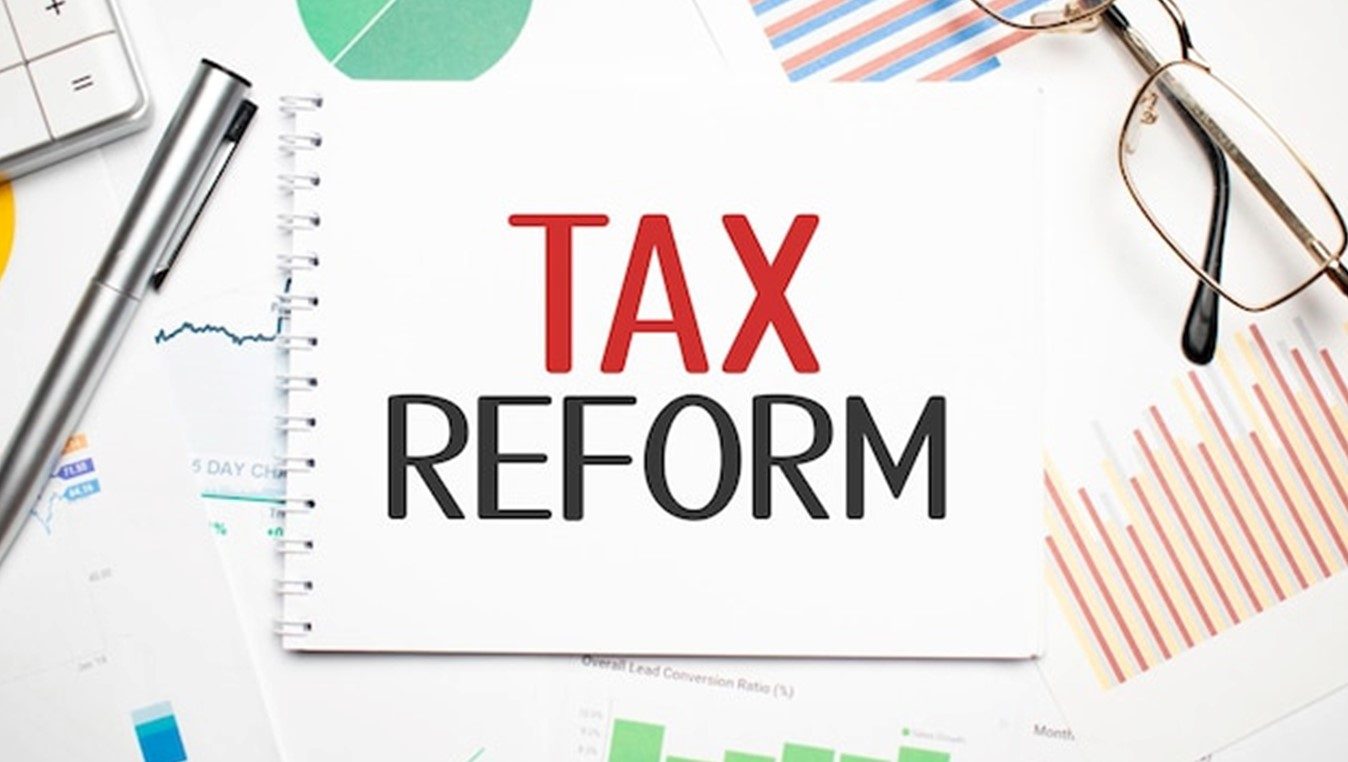
Nigeria’s 2025 tax reform package represents the most comprehensive restructuring of the country’s tax system in recent decades[1]. Enacted on 26 June 2025, the four Acts, the Nigeria Tax Act (NTA) 2025, Nigeria Tax Administration Act (NTAA) 2025, Nigeria Revenue Service (Establishment) Act (NRSA) 2025, and Joint Revenue Board (Establishment) Act (JRBA) 2025[2]. It seeks to simplify a fragmented tax regime, improve revenue mobilisation, strengthen intergovernmental coordination, and enhance taxpayer protection.
In the foregoing, Nigeria’s pre-reform tax system was marked by multiple taxes, overlapping collection agencies, complex rules, weak voluntary compliance, jurisdictional disputes, and an inefficient refund system. These problems contributed to low tax-to-GDP ratios, limited investment, and weak public trust in revenue administration.[3]
The reforms therefore pursue several connected objectives harmonisation of tax laws, administrative modernisation, simplification of compliance, broader taxation of productive economic activity, transparency[4], and improved intergovernmental coordination. The central policy idea is to “tax the fruit, not the seed” that is, to concentrate taxation on profits, consumption, and higher-income activity while shielding low-income earners and small businesses from excessive burdens.
The Four Reform Tax Acts
| ACT | PRINCIPAL FUNCTION | KEY IMPLICATIONS |
| NIGERIA TAX ACT, 2025 | Consolidates major substantive tax rules, including income tax, capital gains, VAT, excise, stamp duties, and petroleum-related taxation | Reduces fragmentation and clarifies tax liabilities, but introduces new compliance and valuation issues.
|
| NIGERIA TAX ADMINISTRATION ACT, 2025 | Regulates assessment, collection, filing, audits, refunds, data sharing, and dispute procedures across federal, state, and local levels. | Standardises administration and enables e-filing, e-invoicing, joint audits, and digital reporting. |
| NIGERIA REVENUE SERVICE (ESTABLISHMENT) ACT, 2025 | Establishes the Nigeria Revenue Service as the principal federal revenue authority, replacing the Federal Inland Revenue Service. | Creates a more professionalised and digitally enabled collector, but raises questions over centralisation and state autonomy. |
| JOINT REVENUE BOARD (ESTABLISHMENT) ACT, 2025 | Establishes the Joint Revenue Board, Tax Appeal Tribunal arrangements, Tax Ombud, and a unified taxpayer identification framework. | Provides a coordinating institutional platform for federal and subnational tax authorities. |
The Critical Appraisal of Nigeria’s Tax Reform Acts and Their Implications For Fiscal Federalism and Taxpayer’s Rights.
The fiscal federalism concerns the division of taxing powers, revenue-raising capacity, and revenue-sharing arrangements between the federal government, states, and local governments[5]. Nigeria’s reform seeks to address chronic overlap and multiple taxation by creating the Joint Revenue Board, standardising administrative practices, and authorising cooperation among tax authorities[6]
The Joint Revenue Board replaces the former Joint Tax Board and includes federal and state tax authorities, including the Federal Capital Territory. Its mandate includes standardising tax administration and providing common services across revenue agencies. This may reduce duplication, improve data sharing, and limit conflicting demands on taxpayers.
However, coordination can become centralisation where federal institutions acquire excessive control over policy design, collection, data, or dispute resolution. The creation of the Nigeria Revenue Service as the lead collection agency, alongside powers for delegation and coordination across levels of government, may strengthen efficiency but also intensify concerns that subnational governments could lose meaningful fiscal discretion.
The most controversial fiscal-federalism issue concerns VAT revenue sharing. Under the new arrangement, VAT revenue is shared between the federal government, states, and local governments in the proportions of 10 per cent, 55 per cent, and 35 per cent respectively. In addition, 30 per cent of the states’ share is to be allocated according to actual consumption. This consumption-based allocation is intended to correct the “headquarters effect,” whereby VAT revenue was often attributed to the location of corporate headquarters rather than the place where goods and services were consumed. In principle, it improves horizontal equity by recognising the economic contribution of consumers in every state.
Nevertheless, the reform creates practical difficulties. States with lower formal consumption, weaker digital infrastructure, or fewer registered businesses may perceive themselves as disadvantaged, while states with large commercial centres may receive greater allocations. The controversy during the legislative process reflected these concerns: some southern states feared loss of control over locally generated revenue, while some northern states feared that consumption-based sharing could deepen regional inequality. The reforms arguably advance a cooperative model of fiscal federalism. The joint audits, information exchange, common taxpayer identification, harmonised filing, and shared administrative standards may make the tax system more coherent.
Yet, cooperative federalism must preserve constitutionally guaranteed taxing powers and avoid reducing states and local governments to mere implementation agents of federal policy. The success of the new framework will therefore depend on transparent revenue attribution, reliable data, respect for constitutional allocation powers, and genuine participation by subnational governments in the Joint Revenue Board.
The Implications For Taxpayers’ Rights
The reforms introduce important taxpayer-protection mechanisms. The Tax Ombud, established under the Joint Revenue Board framework, is designed to receive taxpayer complaints, investigate misconduct, monitor tax-authority conduct, recommend corrective action, and promote awareness of taxpayer rights.
The Tax Appeal Tribunal has also been strengthened and placed administratively under the Joint Revenue Board. Its jurisdiction is intended to extend across revenue agencies in the Federation, thereby improving access to a specialised dispute-resolution forum[7]. The reform also provides for tax refunds within 90 days of a post-audit decision, with an option to set off refunds against existing liabilities. Other protections include clearer taxpayer registration rules, accreditation of tax agents, standardised dispute-resolution procedures, and oversight of tax authorities’ operations. These measures can improve certainty, reduce arbitrary administration, and enhance trust in the tax system[8]
Taxpayer rights are not merely procedural privileges which includes fair hearing, privacy, confidentiality, proportionality, access to information, and the right to challenge unlawful assessments[9]. Nigerian taxpayers derive these protections from the Constitution and various tax statutes, rather than from one unified taxpayer charter[10].
The digitalisation of tax administration creates new risks. Mandatory e-filing, e-invoicing, real-time reporting, data sharing, and joint audits may improve compliance but can expose taxpayers to surveillance, data breaches, incorrect automated assessments, and excessive administrative scrutiny. Strong legal safeguards are therefore needed on data protection, confidentiality, audit limits, appeal rights, and the burden of proof[11].
The requirement that disputed tax amounts be partially paid pending resolution may also burden taxpayers, especially small businesses and individuals with limited liquidity. Although such rules may prevent abuse of the appeals process, they can undermine effective access to justice if the threshold or payment requirement is too high.
Most importantly, the reforms offer meaningful relief to low-income earners and small businesses. Individuals earning up to N800,000 annually are placed within a zero-rate band, while small businesses with annual turnover below N50 million are exempt from income tax and withholding-tax obligations. The VAT framework also seeks to protect vulnerable households by applying zero-rated treatment to essential goods and services, including food, healthcare, and education, while exempting items such as rent, transport, and renewable energy. These measures reflect an attempt to make taxation more progressive and to reduce the regressive effects of consumption taxes.
At the same time, larger businesses face more rigorous compliance obligations, including digital reporting, disclosure of tax-avoidance arrangements, stricter audits, and a stronger penalty regime. The policy trade-off is clear simplification for smaller taxpayers is paired with intensified enforcement and data-driven monitoring of larger taxpayers.
The reform package is a substantial improvement in legal design. It replaces scattered legislation with a more coherent framework, introduces digital administration, creates institutions for coordination and redress, and seeks to protect low-income earners and small enterprises. Its principal weakness, however, lies in implementation. Nigeria’s history of weak institutional capacity, poor public trust, and uneven digital infrastructure means that statutory innovation alone will not guarantee fairness or efficiency. The NESG has rightly emphasised that the reforms must be implemented in a timely, inclusive, and transparent manner if they are to achieve their intended objectives[12]
There are also constitutional and political risks. If the Joint Revenue Board and Nigeria Revenue Service become overly dominant, fiscal federalism may be weakened rather than strengthened. Conversely, if states retain broad taxing powers without adequate coordination, multiple taxation and compliance burdens may persist. The balance between national coherence and subnational autonomy is therefore the central test of the reform.
Recommendations
The recommendations are to strengthen Nigeria’s Tax Reform Acts and Their Implications for Fiscal Federalism, data sharing, and dispute resolution are as follows:
- The Tax Ombud should be adequately funded, independent in practice, and empowered to publish annual reports on taxpayer complaints and systemic abuses.
- Digital tax systems should be subject to statutory data-protection safeguards, audit trails, and independent oversight.
- The partial-payment requirement for disputed assessments should include hardship exemptions for individuals and small businesses.
- States and local governments should receive meaningful representation in tax-policy coordination, particularly concerning VAT allocation and consumption data.
- Public education campaigns should explain taxpayer rights, filing obligations, refund procedures, and complaint mechanisms.
Conclusion
In Nigeria, the 2025 Tax Reform Acts offer a promising framework for a simpler, more transparent, and better-coordinated fiscal system. They strengthen taxpayer protections through the Tax Ombud, improved dispute-resolution mechanisms, and clearer refund rules, while also seeking to make fiscal federalism more cooperative through the Joint Revenue Board and revised VAT-sharing arrangements.
Moreso, the ultimate success of the reforms, however, will depend less on legislative elegance than on implementation. Nigeria must ensure that intergovernmental coordination does not erode state autonomy, that digitalisation does not compromise privacy or due process, and that revenue mobilisation does not come at the expense of equity, accountability, and public trust.
About the Author
Raji Usman Amao is a penultimate law student of Ahmadu Bello University Zaria. He has a great penchant for legal writing and research, public speaking. I have deep passion for Energy Law, Tax & Finance, Litigation, Artificial Intelligence, Climate Change and Alternative Dispute Resolution (ADR).
ENDNOTES
[1] PwC Nigeria, ‘Nigeria’s Tax Reform 2025: Sectoral Analysis’ (21 July 2025) <https://www.pwc.com/ng/en/publications/nigeria-tax-reform-2025.html> accessed 7 November 2026.
[2] https://www.pwc.com/ng/en/publications/the-nigerian-tax-reform-acts.html accessed 7 November, 2026
[3]https://lirs.gov.ng/assets/docs/understanding_tax_reforms.pdf) accessed 7 November, 2026.
[4] ‘Understanding Tax Reforms’ (LexScriptio, Kwara State University <https://journals.kwasu.edu.ng/index.php/lexscriptio/article/download/955/520> accessed 8 November 2026.
[5] Nwankwo CB, ‘Reconceptualising Horizontal Fiscal Federalism in Nigeria: A Critical Appraisal of the Place of Consumption Standard under the 2025 Tax Acts’ (2026) 10(3) International Journal of Academic and Applied Research 94
[6] Lagos Internal Revenue Service, Understanding the Tax Reforms (November 2025) <https://lirs.gov.ng/assets/docs/understanding_tax_reforms.pdf> accessed 8 November 2026.
[7]https://lirs.gov.ng/assets/docs/understanding_tax_reforms.pdf accessed 8 November, 2026
[8] Ibid.
[9]https://sabilaw.org/taxpayers-rights-and-obligations-under-the-tax-reforms-laws-2025/ accessed 8 November, 2026.
[10] Sabi Law, ‘Taxpayers’ Rights and Obligations under the Tax Reforms Laws, 2025’ (25 October 2025) <https://sabilaw.org/taxpayers-rights-and-obligations-under-the-tax-reforms-laws-2025/> accessed 9 November 2026.
[11]https://app.nesgroup.org/download_resource_documents/NESG%20Policy%20Series%20(3)_1751317898.pdf) accessed 9 November, 2026.
[12] Nigerian Economic Summit Group, The 2025 Nigerian Tax Reform Acts: Taxing the Fruits, Not the Seed (NESG Occasional Paper Series, 2025) <https://app.nesgroup.org/download_resource_documents/NESG%20Policy%20Series%20(3)_1751317898.pdf> accessed 9 November 2026.
****************************************************************************************
This work is published under the free legal awareness project of Sabi Law Foundation (www.SabiLaw.org) funded by the law firm of Bezaleel Chambers International (www.BezaleelChambers.com). The writer was not paid or charged any publishing fee. You too can support the legal awareness projects and programs of Sabi Law Foundation by donating to us. Donate here and get our unique appreciation certificate or memento.
DISCLAIMER:
This publication is not a piece of legal advice. The opinion expressed in this publication is that of the author(s) and not necessarily the opinion of our organisation, staff and partners.
PROJECTS:
🛒 Take short courses, get samples/precedents and learn your rights at www.SabiLaw.org
🎯 Publish your legal articles for FREE by sending to: [email protected]
🎁 Receive our free Daily Law Tips & other publications via our website and social media accounts or join our free whatsapp group: Daily Law Tips Group 6
KEEP IN TOUCH:
Get updates on all the free legal awareness projects of Sabi Law (#SabiLaw) and its partners, via:
YouTube: SabiLaw
Twitter: @Sabi_Law
Facebook page: SabiLaw
Instagram: @SabiLaw.org_
WhatsApp Group: Free Daily Law Tips Group 6
Telegram Group: Free Daily Law Tips Group
Facebook group: SabiLaw
Email: [email protected]
Website: www.SabiLaw.org
ABOUT US & OUR PARTNERS:
This publication is the initiative of the Sabi Law Foundation (www.SabiLaw.org) funded by the law firm of Bezaleel Chambers International (www.BezaleelChambers.com). Sabi Law Foundation is a Not-For-Profit and Non-Governmental Legal Awareness Organization based in Nigeria. It is the first of its kind and has been promoting free legal awareness since 2010.
DONATION & SPONSORSHIP:
As a registered not-for-profit and non-governmental organisation, Sabi Law Foundation relies on donations and sponsorships to promote free legal awareness across Nigeria and the world. With a vast followership across the globe, your donations will assist us to increase legal awareness, improve access to justice, reduce common legal disputes and crimes in Nigeria. Make your donations to us here or contact us for sponsorship and partnership, via: [email protected] or +234 903 913 1200.
**********************************************************************************